

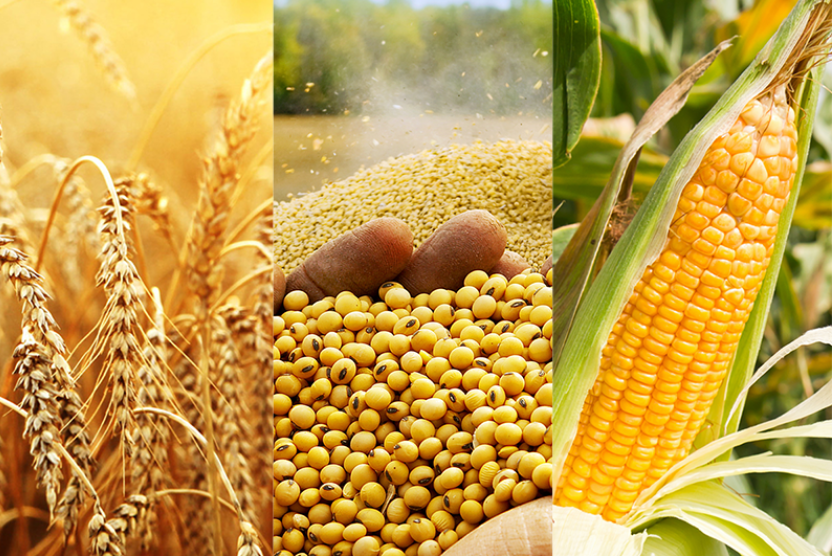
Agricultural commodities are facing renewed selling pressure, with palm oil recording the largest decline among the leading losers. Palm oil prices are down 1.53%, while cotton has fallen 0.95% and wool has slipped 0.93%. The declines place these three markets among the weakest performers in the agricultural commodity sector, with near-term price direction likely to depend on demand conditions, supply expectations and broader commodity-market sentiment.
Market Snapshot
- Palm Oil: Down 1.53%
- Cotton: Down 0.95%
- Wool: Down 0.93%
Palm oil is leading the downside, underperforming cotton and wool. The simultaneous declines across these agricultural markets point to broad weakness among the reported commodities, although the available data does not establish a common cause.
Palm Oil Price Outlook: Largest Decline Among Agricultural Losers
Palm oil is down 1.53%, making it the weakest performer in the reported group. Traders will be watching for signs of changing demand from food producers and biodiesel markets, alongside developments in production, inventories and competing vegetable oils.
If selling pressure continues, palm oil could remain vulnerable to further losses. However, a recovery in demand expectations or tighter supply conditions could help stabilise prices. Confirmation of either scenario will require additional market data.
Cotton Prices Weaken as Market Direction Comes Into Focus
Cotton has declined 0.95%, extending the weakness seen across the selected agricultural commodities. Price direction will remain sensitive to textile demand, global economic conditions, crop prospects and inventory levels.
A sustained deterioration in demand expectations could weigh further on cotton prices. Conversely, improving textile activity or concerns over crop supply could provide support and encourage a recovery.
Wool Slips Alongside Other Agricultural Commodities
Wool is down 0.93%, broadly tracking the negative direction across the reported agricultural markets. Future price movements will depend on demand from the textile and apparel industries, as well as available supply and broader economic conditions.
If demand remains subdued, prices may face continued pressure. Stronger purchasing activity or supply constraints could provide a counterweight to the recent decline.
Bullish Scenario
Agricultural commodities could stabilise if demand expectations improve, supply risks increase or buyers return following recent weakness. Palm oil could recover if vegetable-oil demand strengthens, while cotton and wool may benefit from improved textile-sector activity.
Bearish Scenario
Further losses remain possible if demand weakens, inventories rise or selling pressure spreads across agricultural markets. Palm oil remains the most exposed performer in this snapshot, having recorded the largest decline among the three commodities.
Agricultural Commodities Forecast
The near-term outlook is cautious, with palm oil, cotton and wool all trading lower in the reported update. Palm oil’s 1.53% decline makes it the key market to monitor, followed by cotton and wool.
The current figures confirm negative price performance but do not, on their own, establish whether the weakness will persist. Further confirmation from supply, demand and inventory data will be important before assessing the durability of the declines.
Market Outlook: What to Watch Next
- Palm oil: Changes in production, inventories, vegetable-oil demand and biodiesel consumption.
- Cotton: Textile demand, crop conditions, export activity and stock levels.
- Wool: Textile-sector purchasing, apparel demand and available supply.
- Broader agricultural sentiment: Whether selling remains concentrated in these commodities or spreads across the wider sector.
Currency Hedger View
Agricultural commodity weakness can matter for businesses exposed to international purchasing, production costs and cross-border trade. However, the reported price declines alone do not establish a direct currency-market impact. Importers, exporters and businesses with foreign-currency obligations should assess commodity-price movements alongside relevant exchange rates, payment schedules and their underlying exposure.
Currency Hedger monitors foreign exchange markets alongside broader commodity and macroeconomic conditions, helping businesses assess and manage their international currency exposure.
Open a Currency Hedger Account
Visit Currency Hedger or explore the website at currencyhedger.com.
Analysis: Louis Roche, Today Markets
Disclaimer: This article is for informational and educational purposes only and does not constitute investment, trading or financial advice. Commodity prices can be volatile, and forecasts are conditional rather than guaranteed. Always conduct independent research and consider the risks before making financial decisions.

Leave A Comment