


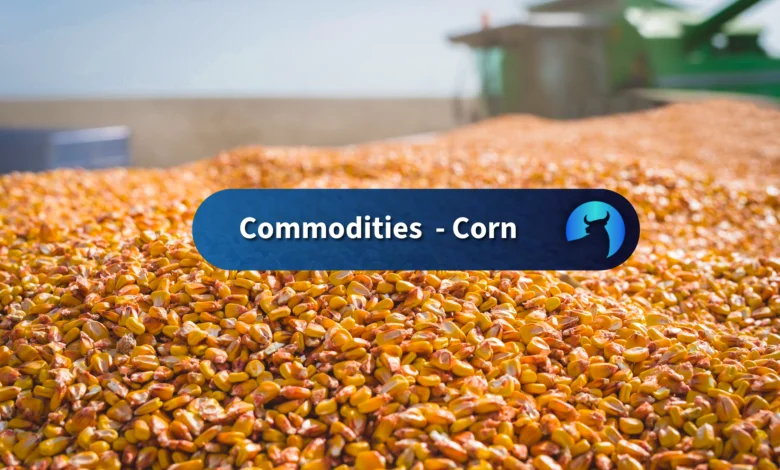
Corn futures weakened on Friday as the market absorbed pressure from lower soybean and wheat prices, falling crude oil and a disappointing US export picture ahead of the highly anticipated meeting between US President Donald Trump and Chinese President Xi Jinping.
December 2026 corn closed at $5.27 1/2, down 3 cents, while March 2027 corn fell 3 cents to $5.41 1/2. May 2027 corn declined 2 1/2 cents to $5.48 1/4.
The national average cash corn price fell 3 cents to $4.82 1/4.
December corn also finished the week 2 3/4 cents lower, highlighting the difficulty the market is having generating sustained upside momentum despite substantial speculative positioning and strong pockets of international demand.
The biggest concern is US exports.
US corn export commitments for the 2026/27 marketing year have reached approximately 17.4 million metric tonnes, but that is 27% below the same period last year.
Commitments currently represent only around 21% of the USDA’s full-year export projection, compared with 28% at the same point last year and the five-year average.
With China remaining notably absent from the US corn export wire ahead of the Trump-Xi meeting, traders are increasingly focused on whether a breakthrough in US-China trade relations could unlock additional demand.
At the same time, South Korean buyers remain active, purchasing another 130,000 tonnes of corn in an overnight tender after buying 260,000 tonnes the previous day.
The corn market is therefore facing a split picture:
US export demand is lagging, China is quiet, but Asian buyers are still actively purchasing corn.
Why Are Corn Futures Falling Today?
Corn came under pressure from weakness across the broader agricultural and commodity complex.
Soybeans and wheat both posted double-digit losses, while crude oil also moved lower.
The weakness in related markets matters because corn competes for acreage, influences agricultural sentiment and is closely linked to the broader grain and energy complex.
Lower crude oil prices can also weigh on corn through the biofuel market.
Ethanol demand and margins remain an important component of US corn demand, meaning changes in energy prices can influence the economics of converting corn into fuel.
Friday’s move was therefore not driven by a single bearish corn-specific event.
Instead, it reflected a combination of:
- Weakness in soybeans
- Weakness in wheat
- Lower crude oil
- Disappointing US export commitments
- Lack of Chinese corn purchases
- Large speculative positioning
Corn Market Snapshot
| Corn Market Factor | Latest Data | Market Impact |
|---|---|---|
| December 2026 Corn | $5.27 1/2 | Down 3 cents |
| March 2027 Corn | $5.41 1/2 | Down 3 cents |
| May 2027 Corn | $5.48 1/4 | Down 2 1/2 cents |
| National Cash Corn | $4.82 1/4 | Down 3 cents |
| December weekly change | -2 3/4 cents | Bearish |
| Managed Money Net Long | 426,842 contracts | Large bullish positioning |
| Weekly fund change | +1,671 contracts | Slightly bullish |
| 2026/27 US export commitments | 17.4 MMT | Below expectations |
| YoY export commitment change | -27% | Bearish |
| Share of USDA export forecast | 21% | Below normal |
| Same point last year | 28% | Benchmark |
| Five-year average | 28% | Benchmark |
| South Korean tender | 130,000 MT | Bullish demand |
| Previous South Korean purchase | 260,000 MT | Strong Asian demand |
US Corn Export Commitments Are Falling Behind
The most important bearish fundamental in the current corn market is the pace of US export commitments.
The latest USDA export data put 2026/27 commitments at approximately 17.4 million tonnes.
That is 27% below the comparable period last year.
More importantly, only 21% of the USDA’s full-year export projection has been committed.
Last year and the five-year average were both around 28% at the same stage.
That gap is significant.
If US exports continue to lag historical levels, the market could face larger ending stocks than previously expected.
Larger stocks would increase domestic availability and potentially keep pressure on futures.
The market therefore needs to see a meaningful acceleration in export demand.
China Is Missing From the US Corn Export Wire
China is one of the biggest potential catalysts for US corn prices.
Yet heading into next week’s meeting between President Trump and President Xi, the US export wire has been notably quiet regarding Chinese corn purchases.
This is important because traders have been watching the meeting for signs of increased agricultural trade.
Corn, soybeans and other US agricultural products could potentially benefit from stronger Chinese buying if trade conditions improve.
But so far, the physical market has not provided evidence of a major Chinese purchasing programme.
That leaves corn traders waiting for confirmation.
Trump-Xi Talks Could Become a Major Corn Catalyst
The upcoming meeting between Trump and Xi has become an important event for the agricultural markets.
For corn traders, the key issue is whether China increases purchases of US agricultural commodities.
The absence of significant Chinese corn sales ahead of the meeting means the market is still waiting for evidence that trade relations could translate into actual demand.
Any major increase in Chinese purchases could alter the US export balance quickly.
But until those purchases appear in the export data, the market must continue to deal with current commitments rather than anticipated demand.
That distinction is critical.
Potential Chinese demand is bullish.
Actual Chinese purchases are the confirmation the market needs.
South Korea Is Providing a Stronger Demand Signal
While China remains quiet, South Korea continues to demonstrate strong demand.
South Korean importers purchased approximately 130,000 tonnes of corn in an overnight tender.
That followed another 260,000 tonnes of purchases on Thursday.
Combined, the two rounds of buying represent approximately 390,000 tonnes of corn demand.
This provides a useful counterbalance to the weak US export commitment figures.
It demonstrates that international buyers are active.
The problem is that US exporters need sustained demand from multiple destinations to compensate for the slower pace of commitments.
South Korean buying is therefore supportive, but the market will need more evidence of broad-based international demand.
Managed Money Remains Heavily Long Corn
CFTC data provide another important part of the market picture.
Managed money increased its net-long position in corn futures and options by 1,671 contracts during the week ending September 15.
That left funds with a substantial 426,842-contract net-long position.
This is a very large bullish position.
The increase is also important because it shows that funds were still willing to add exposure despite the weaker export outlook.
However, the size of the position creates a potential risk.
If export demand continues to disappoint, funds could eventually begin liquidating.
A significant reduction in the net-long position could add considerable selling pressure to corn futures.
Conversely, a major improvement in Chinese or broader export demand could encourage funds to add further to their already substantial position.
The Corn Market Needs Export Demand
The central issue facing corn is simple:
The market needs buyers.
US production is entering the market at a time when export commitments are running below last year’s pace.
The USDA is currently forecasting a substantial export programme.
But with only 21% of the projection committed compared with 28% historically, the market needs the pace of sales to accelerate.
That acceleration could come from:
- China
- Mexico
- South Korea
- Japan
- Other Asian importers
- Ethanol demand
- Feed demand
Without stronger demand, the market could struggle to maintain current price levels.
Crude Oil Adds Another Layer of Pressure
Corn is also sensitive to energy prices because of the importance of ethanol production.
When crude oil prices fall, the economics of biofuel production can become less attractive relative to petroleum.
That can reduce some of the indirect support that energy markets provide to corn.
Friday’s lower crude oil prices therefore contributed to the broader bearish tone.
The relationship is not one-to-one, however.
US ethanol demand is also influenced by mandates, blending economics, gasoline consumption and ethanol margins.
Nevertheless, the energy market remains an important variable for corn traders.
Bullish Sentiment
1. South Korean Demand Is Strong
South Korean buyers purchased 130,000 tonnes overnight following 260,000 tonnes the previous day.
That demonstrates continued international demand.
2. China Could Become a Major Buyer
The absence of Chinese purchases means there is potentially significant upside if trade discussions lead to increased US agricultural buying.
3. Funds Are Still Adding to Their Long Position
Managed money increased its net-long corn position by 1,671 contracts.
That shows speculative sentiment has not yet broken down.
4. The Existing Fund Position Can Amplify a Rally
If export demand improves, funds could potentially add to their already large 426,842-contract position.
5. Global Feed Demand Remains Important
Corn remains one of the world’s most important feed grains, providing structural demand from the livestock sector.
6. Trade Developments Could Change the Export Balance Quickly
A meaningful improvement in US-China agricultural trade could alter export expectations relatively quickly.
Bearish Sentiment
1. US Export Commitments Are 27% Below Last Year
This is currently the clearest fundamental warning signal.
2. Only 21% of the USDA Export Projection Is Committed
That compares with 28% last year and the five-year average.
The market therefore needs a significant acceleration in sales.
3. China Has Not Been Buying US Corn
The quiet export wire ahead of the Trump-Xi meeting suggests that expected Chinese demand has not yet materialised.
4. Funds Are Holding a Very Large Long Position
A 426,842-contract net long creates significant liquidation risk if market fundamentals deteriorate.
5. Crude Oil Is Lower
Lower energy prices can reduce some of the support corn receives through ethanol economics.
6. Soybeans and Wheat Are Weak
Weakness across the broader grain complex can encourage additional selling in corn futures.
Corn Faces a Battle Between Expected and Actual Demand
The current market is essentially trading the difference between potential demand and confirmed demand.
Potentially, China represents a huge source of additional US corn demand.
But confirmed US export commitments remain weak.
South Korea is actively buying.
But total US commitments remain well behind last year.
Funds remain heavily bullish.
But that position could become vulnerable if demand fails to accelerate.
This makes the next several weeks particularly important.
The Trump-Xi Meeting Could Reset Agricultural Trade Expectations
The upcoming meeting has the potential to influence market expectations well beyond corn.
US agricultural exporters are looking for greater access to Chinese demand, while Chinese buyers have multiple international supply options.
The corn market therefore needs to see actual purchases rather than simply positive diplomatic headlines.
If Chinese buying appears in the USDA export sales data, the market could quickly reassess the current export outlook.
If Chinese purchases remain absent, traders are likely to continue focusing on the current 27% year-on-year deficit in US export commitments.
What Traders Are Watching Next
US-China Trade Discussions
The meeting between Trump and Xi remains the most important potential demand catalyst.
Chinese Corn Purchases
Actual purchases will matter considerably more than expectations.
US Export Sales
The market needs weekly commitments to accelerate toward or above historical levels.
South Korean Demand
Further tenders could provide evidence that Asian demand remains strong.
CFTC Positioning
Traders will monitor whether funds continue building their 426,842-contract net-long position or begin liquidating.
Crude Oil
Energy prices will continue influencing ethanol economics and broader commodity sentiment.
US Harvest Progress
As new-crop corn becomes increasingly available, the market will focus on yields, production and storage requirements.
Currency Hedger View
Corn is priced in US dollars, but the businesses buying and selling it operate across multiple currencies.
Agricultural importers, exporters, feed companies, commodity traders and international businesses can face significant FX exposure alongside their commodity exposure.
For example, an importer purchasing US corn may see the underlying corn price move in its favour while simultaneously experiencing an adverse currency move that increases the final cost.
This is why commodity risk and currency risk often need to be considered together.
Currency Hedger, part of Octalas Group, provides a managed FX service designed to help business and personal clients navigate international currency exposure.
Our market intelligence considers:
- Central-bank policy
- Interest-rate expectations
- Inflation
- US dollar movements
- Energy markets
- Commodity prices
- Geopolitical developments
- Economic data
- Futures and forward FX markets
- International capital flows
The focus is on understanding the broader FX environment, identifying potential currency levels and considering how exchange-rate exposure can be managed around actual commercial requirements.
Managed FX for Business and Personal Clients
Whether you are importing agricultural commodities, exporting products, paying overseas suppliers, receiving international revenues or managing personal international transfers, Currency Hedger provides a managed FX service built around market intelligence and international currency exposure.
Open a Currency Hedger Account
Open a Currency Hedger Business Account
Open a Currency Hedger Personal Account
Stay Connected to the Currency Markets
Currency Hedger is part of Octalas Group and operates through regulated payment infrastructure provided by its regulated partners. FX markets involve risk, and market information should not be interpreted as a guarantee of future exchange rates or future market outcomes.
Today Markets View
Corn futures are entering a critical period with US export demand lagging historical levels, China remaining largely absent from the US corn export wire and managed money holding an enormous net-long position.
The bearish side of the market is currently straightforward.
Export commitments are down 27% from last year.
Only 21% of the USDA’s full-year export projection has been committed.
Crude oil is lower.
Soybeans and wheat are under pressure.
And funds are holding a position that could become vulnerable to liquidation if demand fails to improve.
But the bullish side should not be ignored.
South Korean buyers have purchased 390,000 tonnes across the latest two tenders, while China remains a potentially significant source of additional demand.
The next stage of US-China trade discussions could therefore become a major catalyst.
For now, corn needs actual export sales rather than anticipated demand.
If Chinese purchases emerge and US export commitments begin accelerating, the current large fund position could provide additional upside momentum.
If China remains absent and export commitments continue trailing historical levels, the market may increasingly question whether the USDA’s current export projection can be achieved.
“Corn is waiting for confirmation that international demand can absorb the coming US supply. South Korean buying provides an encouraging signal, but the market still needs stronger US export commitments — particularly from China — before the current speculative positioning can be fully justified.”
Louis Roche, Analyst, Today Markets
Today Markets Analysis | Corn Futures | Corn Prices | US Corn Exports | China Corn Demand | US-China Trade | Corn Market Outlook | 2026/27 Corn Prices

Leave A Comment