


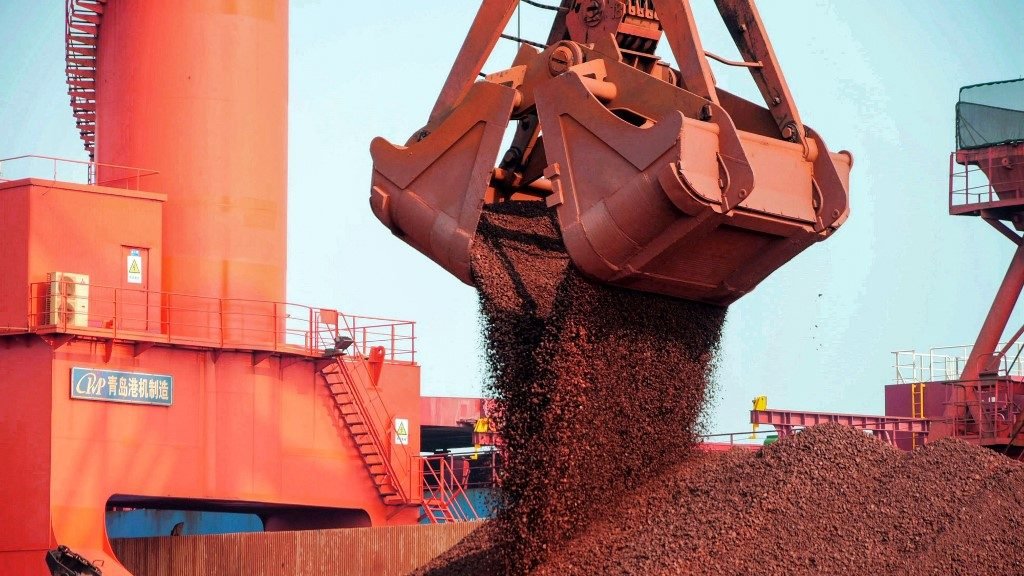
Iron ore futures in China are currently trading above CNY 710 per ton, recovering from recent weakness as renewed supply concerns provide support despite continuing pressure from China’s steel and construction sectors.
The market is being pulled in opposite directions. Potential supply disruptions in Brazil and rising shipping costs for smaller Brazilian producers are tightening the supply outlook, while expectations of Chinese steel-mill restocking ahead of the extended Golden Week holiday in early October are providing near-term demand support.
However, China’s steel industry remains under pressure. Elevated coking coal prices, weaker steel-mill profitability and softer construction and manufacturing activity are limiting the strength of underlying iron ore consumption.
Iron Ore Market Snapshot
| Factor | Current Market Situation |
|---|---|
| Iron Ore Price | Above CNY 710/ton |
| Short-Term Trend | Recovering |
| Supply Risk | Rising |
| Brazil | Weather-related disruption concerns |
| Brazilian Smaller Producers | Higher shipping costs to China |
| Chinese Steel Mills | Potential pre-holiday restocking |
| Steel Profitability | Under pressure |
| Coking Coal | Elevated |
| China Construction | Softer |
| China Manufacturing | Softer |
| Key Bullish Driver | Brazilian supply risks |
| Key Bearish Driver | Weak steel-sector profitability |
Iron Ore Price Outlook: Supply Concerns Support the Recovery
The recovery above CNY 710 per ton reflects growing attention on the supply side of the iron ore market.
Brazil remains a critical source of seaborne iron ore, and concerns over El Niño-related weather conditions have raised the possibility of disruptions to production and transportation.
The supply risk becomes more significant because smaller Brazilian producers are facing sharply higher shipping costs when transporting material to China.
Higher freight costs reduce producer margins and can make some production uneconomic. If these conditions persist, some smaller miners may respond by reducing output, tightening the amount of available material reaching the world’s largest consumer.
The market is therefore beginning to price a potential supply constraint even while demand remains uncertain.
Brazil Supply Risks Could Become More Important
Brazil’s role in the global iron ore market means weather-related disruptions can quickly attract attention from Chinese buyers and commodity traders.
El Niño conditions can affect rainfall patterns and operating conditions across producing regions. Any sustained disruption to mining, transportation or port activity could reduce Brazilian shipments.
The situation involving smaller producers is particularly important because higher freight costs can effectively raise the delivered cost of Brazilian ore into China.
If shipping economics continue deteriorating, production cuts among smaller suppliers could further tighten the seaborne market.
Chinese Steel Mills Could Boost Near-Term Demand
A major source of support is the possibility that Chinese steel mills will increase purchases ahead of the extended Golden Week holiday in early October.
Pre-holiday restocking can create a temporary increase in raw-material demand as mills seek to secure inventories before the holiday period.
This could provide iron ore with a near-term demand boost even if broader steel consumption remains subdued.
The important question is whether restocking represents genuine improvement in steel demand or simply a temporary inventory adjustment.
If mills replenish aggressively, iron ore prices could remain supported in the near term. If restocking is limited because profitability remains weak, the effect could quickly fade.
Chinese Steel Profitability Remains a Major Headwind
The biggest obstacle to a sustained iron ore rally remains the profitability of Chinese steel mills.
Steel producers are facing elevated coking coal costs after safety inspections and mine suspensions in Shanxi restricted domestic coal supply.
Higher coking coal prices increase steelmaking costs and squeeze margins.
When steel mills are operating with weak profitability, their incentive to increase production and aggressively purchase iron ore becomes more limited.
This creates a direct link between the coking coal market and iron ore demand.
Construction and Manufacturing Demand Remain Soft
China’s construction and manufacturing sectors continue to provide a weaker demand backdrop for ferrous metals.
Slower construction activity reduces demand for steel used in buildings, infrastructure and related projects, while softer manufacturing activity can reduce steel consumption across industrial supply chains.
This means that even if mills restock ahead of Golden Week, the broader demand environment remains uncertain.
For iron ore, sustained price appreciation will ultimately require more than short-term inventory replenishment. It would require evidence that steel production and end-user demand are strengthening.
Bullish Sentiment
- Brazilian supply risks are increasing, with weather disruptions creating uncertainty around production and shipments.
- Higher shipping costs are squeezing smaller Brazilian producers, potentially encouraging production cuts.
- Chinese steel mills may restock ahead of Golden Week, creating additional near-term iron ore demand.
- Any disruption to Brazilian exports could tighten the seaborne market quickly.
- Supply-side risks can have an amplified impact when buyers are attempting to rebuild inventories.
- A recovery in Chinese steel demand would provide additional upside potential for iron ore.
Bearish Sentiment
- Chinese steel-mill profitability remains weak, limiting the incentive to increase production.
- Elevated coking coal prices are increasing steelmaking costs.
- Shanxi mine restrictions and safety inspections have tightened coking coal supply and increased input costs.
- China’s construction sector remains soft, reducing demand for steel and iron ore.
- Manufacturing weakness continues to weigh on ferrous-metal consumption.
- Golden Week restocking could be temporary, meaning short-term buying may not translate into sustained demand growth.
Iron Ore Price Forecast: What Traders Are Watching
The CNY 710-per-ton area is now an important reference point for the market.
A sustained move higher would suggest that supply concerns and pre-holiday restocking are becoming strong enough to overcome weak steel-sector fundamentals.
The next stage of the rally would require evidence that steel mills are willing to maintain higher operating rates and continue purchasing raw materials despite compressed margins.
Conversely, failure to maintain prices above current levels would indicate that weak Chinese steel demand remains the dominant force.
The most important indicator will be whether Chinese mill restocking develops into sustained demand or remains a short-term pre-holiday inventory adjustment.
Iron Ore Supply Outlook
The supply outlook has become more uncertain.
Brazilian production and exports remain central to the market, with weather-related disruption risks potentially affecting supply. Higher freight costs are also creating economic pressure for smaller producers shipping material to China.
If production cuts emerge, the impact could be amplified by China’s position as the dominant seaborne iron ore consumer.
However, the magnitude of the impact will depend on the duration of the disruptions and whether other suppliers can compensate for reduced Brazilian volumes.
Chinese Iron Ore Demand Outlook
China remains the decisive factor on the demand side.
The potential for steel-mill restocking before Golden Week provides an immediate source of support, but the underlying demand picture remains less convincing.
Weak construction and manufacturing activity continue to limit steel consumption, while high coking coal costs are squeezing mill profitability.
The market therefore needs to distinguish between inventory demand and end-user demand.
If mills are simply replenishing inventories ahead of the holiday, the impact may be temporary. If restocking coincides with improving steel orders and stronger mill utilization, the demand outlook would become considerably more supportive.
Market Outlook for the Coming Sessions
Iron ore is currently being supported by a combination of Brazilian supply concerns and expectations of Chinese pre-holiday restocking, but the market still faces significant demand-side obstacles.
The supply story is becoming more important as weather risks affect Brazil and high shipping costs squeeze smaller producers.
On the demand side, Golden Week provides a potential short-term catalyst as Chinese steel mills prepare for the extended holiday period.
However, weak steel profitability remains a major limitation.
For the coming sessions, traders are likely to monitor:
- Iron ore prices around CNY 710 per ton
- Brazilian weather and production conditions
- Brazilian export and shipping costs
- Production decisions by smaller Brazilian miners
- Chinese steel-mill restocking
- Steel-mill profitability
- Coking coal prices
- Shanxi mining restrictions
- Chinese construction activity
- Chinese manufacturing demand
- Steel production and mill operating rates
The central question is whether supply risks and pre-holiday buying can outweigh China’s weaker underlying steel demand.
Currency Hedger View
Currency Hedger sees China’s currency and commodity demand as important components of the broader iron ore outlook.
Iron ore is heavily exposed to Chinese industrial activity, while the commodity is traded within a global dollar-linked pricing environment. Changes in China’s economic expectations, the yuan and international freight costs can therefore influence the economics of purchasing imported ore.
For businesses involved in international steel and raw-material procurement, the combination of iron ore pricing, freight costs and currency movements can materially affect delivered costs.
The current market reinforces the importance of monitoring the commodity and currency exposures together, particularly while China’s steel margins remain under pressure.
Analysis Louis Roche – Today Markets
Iron ore is currently benefiting from a shift in attention toward supply risk, but the demand picture remains considerably more complicated.
The recovery above CNY 710 is being supported by concerns over Brazilian supply, particularly as El Niño-related weather risks combine with higher shipping costs for smaller producers. If these pressures force some producers to reduce output, the seaborne market could tighten further.
At the same time, Chinese steel mills may provide a temporary demand boost through restocking ahead of Golden Week.
The problem is that the broader steel industry remains under pressure. High coking coal prices are squeezing margins, while weaker construction and manufacturing activity is limiting end-user demand.
This makes the coming period particularly important because pre-holiday restocking needs to be separated from genuine improvement in China’s steel consumption.
If Chinese mills restock aggressively while Brazilian supply becomes increasingly constrained, iron ore could remain supported and become more sensitive to supply disruptions. If restocking proves temporary and weak steel profitability continues to restrict production, the market could struggle to sustain higher prices.
For now, CNY 710 remains an important reference level as traders weigh tightening supply risks against the continuing weakness in China’s underlying steel demand.

Leave A Comment