

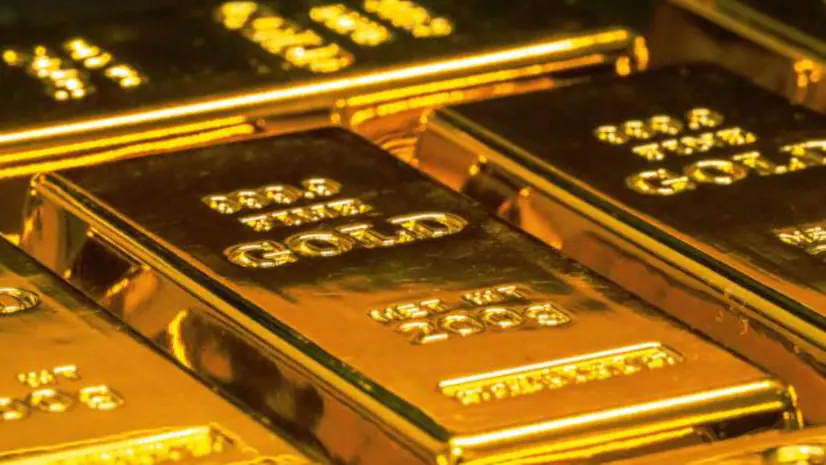
Gold is trading around $4,250 an ounce, extending its recent decline and approaching its lowest level in seven weeks. The market is facing pressure from a combination of elevated oil prices, uncertainty surrounding the Strait of Hormuz and growing expectations that the Federal Reserve may need to maintain or increase monetary policy restraint to contain inflation.
The immediate outlook for gold is increasingly tied to the interaction between oil prices, Treasury yields, Federal Reserve expectations and geopolitical developments. Investors are now looking toward upcoming US inflation and labour-market data for further clues on the direction of monetary policy.
Market Snapshot
| Factor | Current Position |
|---|---|
| Gold Price | Around $4,250/oz |
| Recent Trend | Extending losses |
| Recent Technical Position | Near seven-week low |
| Main Pressure | Higher oil prices and tighter Fed expectations |
| Key Macro Drivers | Inflation, Treasury yields, Fed policy and geopolitics |
| Upcoming Focus | US inflation and employment data |
Current Gold Price Action
Gold has slipped toward $4,250 per ounce, bringing the metal close to its lowest level in approximately seven weeks.
The decline reflects a changing macroeconomic environment in which elevated energy prices are increasing inflation concerns while expectations for additional Federal Reserve tightening are supporting higher interest rates and Treasury yields.
For gold, the combination is significant because higher yields can increase the opportunity cost of holding a non-yielding asset.
Oil Prices and Inflation Expectations
The stalled US-Iran discussions remain an important driver of the current gold market.
The dispute over the Strait of Hormuz has kept oil prices elevated, increasing concerns that higher energy costs could feed into broader inflation. If energy prices remain elevated for an extended period, markets may increasingly price a more restrictive Federal Reserve policy response.
This creates a difficult environment for gold because the same geopolitical tensions that traditionally support safe-haven demand can also generate higher inflation and interest-rate expectations that weigh on the metal.
Federal Reserve Policy Becomes More Important
Several Federal Reserve officials have pointed to resilient economic growth and a robust labour market as reasons why additional rate increases could be necessary.
Cleveland Fed President Beth Hammack has also highlighted government-debt concerns as a factor contributing to higher long-term Treasury yields.
The combination of stronger economic conditions, inflation risks and higher long-term yields is currently reducing some of the support gold typically receives from expectations of easier monetary policy.
US Inflation and Jobs Data
The next major test for gold will come from upcoming US inflation and employment data.
Evidence of persistent inflation or stronger-than-expected labour-market conditions could reinforce expectations for tighter Federal Reserve policy, potentially placing additional pressure on gold.
Conversely, weaker economic data or signs that inflation pressures are moderating could reduce expectations for further tightening and provide renewed support for the metal.
Bullish Sentiment
- Geopolitical uncertainty: The unresolved situation surrounding the Strait of Hormuz continues to create significant global uncertainty, potentially supporting safe-haven demand.
- Oil-market instability: Persistent energy-market disruption could increase demand for defensive assets if broader financial-market volatility rises.
- Economic-data risk: Weaker US inflation or employment data could reduce expectations for additional Federal Reserve tightening.
- Safe-haven demand: Escalation in geopolitical tensions could encourage investors to increase exposure to gold despite higher interest rates.
Bearish Sentiment
- Higher Treasury yields: Rising long-term yields increase the opportunity cost of holding gold.
- Additional Fed tightening expectations: A more restrictive monetary-policy outlook can keep pressure on non-yielding assets.
- Resilient US economy: Strong growth and a robust labour market provide the Federal Reserve with greater scope to maintain restrictive policy.
- Persistent energy inflation: Elevated oil prices could reinforce expectations that interest rates need to remain higher for longer.
Price Forecast: What Traders Are Watching
The immediate focus is whether gold can stabilise around $4,250 or whether continued pressure from higher yields and tighter Fed expectations pushes the metal toward fresh multi-week lows.
A sustained decline in Treasury yields or a moderation in US inflation expectations could help gold recover. In contrast, stronger economic data combined with renewed oil-driven inflation pressure could keep the metal under pressure.
Geopolitical developments remain a major wildcard. A meaningful improvement in the Strait of Hormuz situation could reduce the geopolitical premium in gold, while renewed escalation could increase safe-haven demand.
Supply Outlook
Gold’s short-term price direction is currently being driven more by financial-market conditions than immediate physical supply changes.
Investment flows, interest-rate expectations and geopolitical risk remain the dominant variables for traders as the market approaches a key period of US economic data.
Demand Outlook
Investment demand is likely to remain highly sensitive to movements in real and nominal yields, the US dollar and global risk sentiment.
Geopolitical uncertainty can support defensive demand, but sustained higher interest rates can simultaneously reduce the relative attractiveness of holding gold.
Market Outlook for the Coming Sessions
Gold enters the coming sessions around $4,250 an ounce, close to a seven-week low, with the market caught between competing forces.
Geopolitical uncertainty and potential safe-haven demand remain supportive, while higher oil prices, Treasury yields and expectations for additional Federal Reserve tightening are creating significant headwinds.
The next major catalyst will be the incoming US inflation and employment data. These releases could determine whether markets increase or reduce expectations for further monetary tightening, making the response in Treasury yields and the US dollar particularly important for gold traders.
Currency Hedger View
Gold and currencies are closely connected through the US dollar, interest rates, inflation expectations and geopolitical risk.
For international businesses and investors, movements in gold can also provide an important signal about changing perceptions of inflation, financial-market risk and the direction of global monetary policy.
The current environment illustrates why understanding currency markets requires more than simply watching exchange rates. Oil prices, central-bank policy, Treasury yields and geopolitical developments can all influence the value of major currencies and the cost of international transactions.
Currency Hedger helps businesses and individuals understand these developments while managing international currency exchange and cross-border payment requirements.
Analysis Louis Roche – Today Markets
Louis Roche – Today Markets

Leave A Comment