

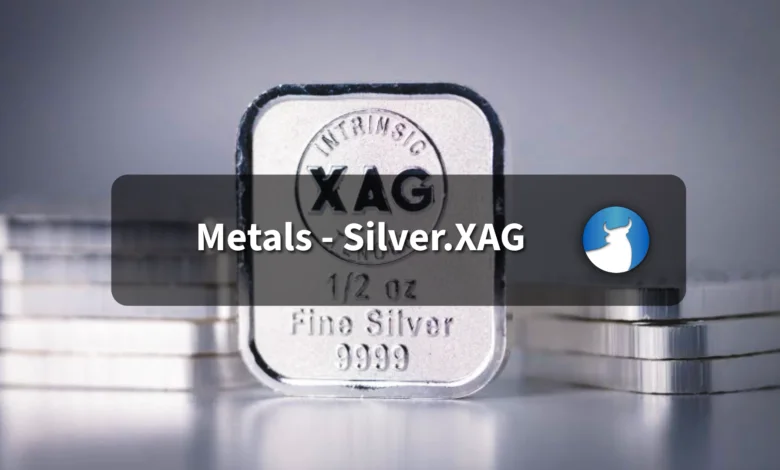
- Silver hovers near two-month lows as rising US Treasury yields and a stronger dollar outweigh soft jobs data.
- Fresh Middle East geopolitical tensions drove safe-haven demand into the US Dollar following Houthi strikes in Saudi Arabia.
- Soaring service-sector inflation pushed yields to 24-year highs, despite high market expectations of a Fed rate pause.
Silver price (XAG/USD) pares its recent gains from the previous day, trading around $60.70 per troy ounce during Asian hours on Tuesday. Silver remains locked near two-month lows as a resilient US Dollar (USD) and surging Treasury yields continue to overshadow supportive economic drivers. While softer US employment figures and diminished expectations for an October interest rate hike by the Federal Reserve provided a temporary buffer, the broader precious metals market remains under pressure.
The US Dollar gained momentum as escalating geopolitical tensions in the Middle East sparked a fresh wave of safe-haven demand. According to Xinhua News Agency, Yemen’s Houthi group claimed responsibility on Monday for a series of coordinated strikes against Saudi Arabian targets using ballistic missiles, cruise missiles, and drones. Houthi spokesman Yahya Saree noted that the strikes hit military sites, an oil facility, and key transportation hubs, including King Khalid International Airport in Riyadh, where air traffic was disrupted, unsettling global markets.
Compounding the pressure on Silver, US Treasury yields rallied to fresh 24-year highs amid a relentless global bond selloff fed by expanding fiscal risks and sticky inflation. Recent ISM data highlighted that input costs within the US services sector surged at their fastest rate in over four years last month. Even with markets currently pricing in an estimated 78% chance that the Federal Reserve will hold interest rates steady following weaker labor market reports, rising yields and a firm dollar maintain the upper hand.
G7 yields climb as HSBC highlights sharp repricing in long-dated bonds
Strategists at HSBC note that “G7 bond yields have risen by roughly 1% since January, with long-dated US Treasuries and UK Gilts moving well above 5%.” They describe this as a “sharp repricing” in core rates markets, and point out that “three explanations compete to explain” the move, setting the stage for a broader debate over the underlying drivers of higher real yields and the implications for fixed income investors.

Leave A Comment