

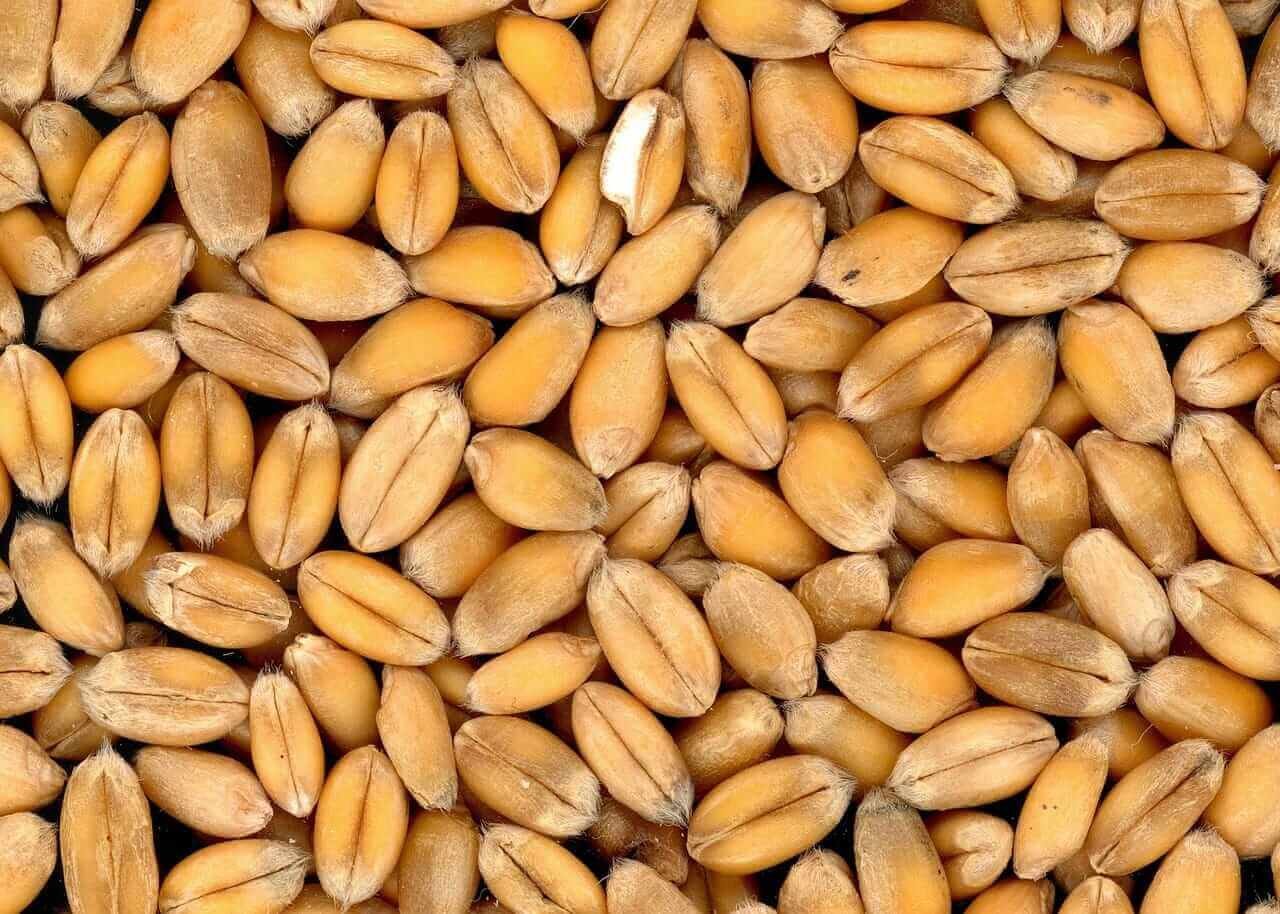
China’s expanding imports of barley and sorghum are reshaping its domestic feed grain market, creating fresh competitive pressure for corn producers and influencing global agricultural trade flows. With barley imports rising sharply and feed manufacturers increasingly switching away from expensive domestic corn, Beijing’s approach to grain security is becoming an increasingly important factor for international commodity markets.
The shift highlights a growing imbalance between China’s protected corn market and its more flexible imports of alternative feed grains. While government import quotas restrict direct corn competition, barley and sorghum are providing feed manufacturers with alternative supplies, limiting the ability of domestic corn prices to rise.
Market Snapshot
| Indicator | Latest reported data |
|---|---|
| China barley imports, Jan–Aug 2026 | 10.352 million tonnes |
| Barley import growth | +57.1% year-on-year |
| Sorghum import growth | +84.5% year-on-year |
| Corn imports, Jan–Aug 2026 | 1.678 million tonnes |
| China 2025 corn production | 301.235 million tonnes |
| China 2026–27 corn production forecast | 306 million tonnes |
| Forecast corn surplus | 3.64 million tonnes |
| Australian share of Chinese barley imports | 72.1% |
| Corn import tariff-rate quota | 7.2 million tonnes |
Source: Figures and estimates reported in the supplied market research.
China’s Feed Grain Imports Accelerate
China imported 10.352 million tonnes of barley during the first eight months of 2026, more than twice its entire domestic barley production during 2025. The increase represents a 57.1% annual rise, while sorghum imports climbed 84.5%.
The scale of these purchases highlights how quickly China’s feed manufacturers are adapting to changing grain economics.
Australia remained the dominant barley supplier, accounting for 72.1% of Chinese imports, followed by Canada at 14.3% and Argentina at 4.9%.
The surge is particularly significant given Australia’s previous trade restrictions with China, which included combined duties of 80.5% until August 2023.
Corn imports, meanwhile, remained relatively limited at 1.678 million tonnes during the same eight-month period.
The difference reflects China’s agricultural import framework, which places tighter restrictions on corn while allowing barley and sorghum to enter without equivalent volume quotas.
Corn Faces Increasing Competition from Alternative Feed Grains
China’s corn market operates under a tariff-rate quota of 7.2 million tonnes, with 60% reserved for state trading. Imports within the quota face a 1% tariff, while volumes exceeding the allocation face a 65% tariff.
Barley and sorghum operate under a substantially more flexible import regime.
This creates an important competitive imbalance. When domestic corn becomes more expensive than imported alternatives, feed manufacturers can adjust their formulations to reduce corn consumption.
The result is increased competition across the wider feed grain market, even when direct corn imports remain restricted.
The impact has already become visible in feed consumption. Corn’s share of Chinese feed rations reportedly declined from 47% in January to 29% in August 2026.
Australian barley and Argentine sorghum have benefited from their relative price competitiveness, particularly at southern Chinese ports.
Domestic Corn Prices Under Pressure
China’s domestic corn market is facing a combination of expanding production, alternative feed grain imports and weaker livestock sector economics.
The national average corn purchase price stood at 2,114 RMB per tonne on November 3, while prices in Heilongjiang averaged approximately 2,014 RMB.
These levels remain below estimated break-even requirements for some northeastern producers, with the USDA Beijing office estimating that Northeast corn requires approximately 2,100–2,250 RMB per tonne at Liaoning ports.
China’s Ministry of Agriculture and Rural Affairs forecasts corn production of 306 million tonnes for the 2026–27 marketing year, creating an estimated surplus of 3.64 million tonnes.
The additional availability of domestic corn could further restrict price recovery, particularly if imported barley and sorghum remain competitively priced.
Livestock Demand and the Hog Market
China’s livestock industry remains central to the country’s feed grain consumption.
Pig feed represented approximately 166.394 million tonnes in 2025, making it the largest industrial feed category and accounting for nearly half of total industrial feed production.
However, weakening hog prices are creating additional uncertainty for feed demand.
Live hog prices averaged 10.73 RMB per kilogram during the third quarter, down 22.08% year-on-year, before falling to 10.11 RMB during the first week of November.
China’s breeding sow herd also declined to 36.02 million by the end of September, representing a 10.7% annual reduction.
The weaker livestock cycle could eventually moderate feed consumption, although cheaper imported grains are helping producers manage operating costs.
Australia Benefits from China’s Barley Demand
Australia has emerged as the biggest beneficiary of China’s expanding barley imports.
Australian barley exports reached a record 11.48 million tonnes during the 2025–26 season, with China purchasing approximately 9.23 million tonnes.
However, this growing dependence also creates risks.
Australian production is forecast to reach 16.413 million tonnes in 2026–27, which would represent the country’s second-largest crop on record.
At the same time, Chinese barley consumption is expected to decline over the 2025–2027 period.
A combination of expanding Australian production and potentially weaker Chinese demand could increase export competition and place additional pressure on international barley prices during 2027.
US Sorghum and South American Competition
US agricultural exporters have also benefited from China’s changing feed grain requirements.
Chinese imports of US sorghum reached 3.2894 million tonnes during January–August 2026, representing a 308.3% annual increase.
However, purchases have subsequently weakened, with sales reportedly drying up for four months by early November.
Brazil is increasingly competitive, having shipped approximately 1.7 million tonnes of sorghum to China during 2026.
Argentina also remains strategically positioned through competitive corn pricing, while Brazil has strengthened its position in the broader Chinese agricultural import market.
For US exporters, tariff arrangements and landed prices will remain important determinants of future competitiveness.
Bullish Sentiment
- Strong alternative grain demand: China’s barley and sorghum imports have increased substantially, supporting international trade volumes.
- Australian export opportunities: Australia continues to benefit from its dominant position in the Chinese barley market.
- Livestock feed requirements: China’s large livestock industry maintains substantial demand for feed grains.
- Trade diversification: China’s efforts to diversify agricultural suppliers could create opportunities for additional exporters.
- Import competitiveness: When domestic corn becomes expensive, imported substitutes gain a stronger position in Chinese feed formulations.
Bearish Sentiment
- Expanding domestic corn production: China’s 2026–27 production forecast points to a potential surplus.
- Alternative grain competition: Barley and sorghum imports are limiting domestic corn’s pricing power.
- Weakening hog economics: Lower livestock prices and declining breeding numbers could eventually reduce feed demand.
- Australian supply expansion: A near-record barley harvest could increase global export availability.
- Import policy uncertainty: Beijing could tighten customs controls or introduce additional restrictions if domestic corn prices weaken excessively.
Price Forecast and What Traders Are Watching
The outlook for China’s corn market remains sensitive to the relationship between domestic production costs and imported feed grain prices.
The key consideration is whether domestic corn can regain its competitive position against barley and sorghum.
If domestic corn prices remain elevated relative to imported alternatives, feed manufacturers are likely to maintain substitution strategies, limiting the potential for a sustained price recovery.
However, a substantial domestic harvest could narrow the price gap, reducing the incentive to import alternative grains.
Traders should also monitor government purchasing activity, changes in import administration and developments in the Chinese livestock sector.
Supply Outlook
China’s projected corn production of 306 million tonnes in 2026–27 suggests that domestic availability will remain substantial.
The expected 3.64-million-tonne surplus could increase pressure on farm-gate prices unless government intervention absorbs some of the additional supply.
Australia’s barley production expansion is another important factor for global grain availability. With production forecast at 16.413 million tonnes, exporters could face greater competition if Chinese demand moderates.
The United States, Brazil, Argentina and Canada will remain important suppliers, although their competitiveness will depend heavily on relative prices and trade policy.
Demand Outlook
China’s industrial feed sector remains the principal driver of demand for corn, barley and sorghum.
However, weakening hog prices and a declining breeding herd introduce uncertainty over future consumption growth.
The country’s feed manufacturers are likely to continue prioritising cost efficiency, maintaining flexibility between domestic corn and imported alternatives.
This means international barley and sorghum prices will increasingly influence China’s domestic corn market.
Market Outlook for the Coming Sessions
China’s expanding barley and sorghum imports are creating a structural change in the country’s feed grain market, with direct implications for domestic corn prices and international agricultural exporters.
While government quotas continue to protect the domestic corn sector from unrestricted imports, alternative feed grains are providing a competitive route into the market.
For corn traders, the central issue remains whether domestic supply can be absorbed without further pressure on prices. For barley and sorghum exporters, China’s purchasing decisions will remain a major influence on international demand.
The coming months will be particularly important as traders assess the size of China’s domestic harvest, the direction of livestock demand and whether Beijing maintains its current approach to agricultural imports.
Today Markets Analysis
Contributed by Currency Hedger — International Commodity and Financial Markets Analysis.
Explore global currency and commodity market intelligence at Today Markets.
For international payments, multi-currency accounts and currency risk management, visit Currency Hedger or open an account.
Disclaimer: This article is for informational and educational purposes only. It does not constitute investment advice, financial advice or a recommendation to buy or sell any financial instrument or commodity. Commodity markets involve risk, and past performance is not indicative of future results.

Leave A Comment