

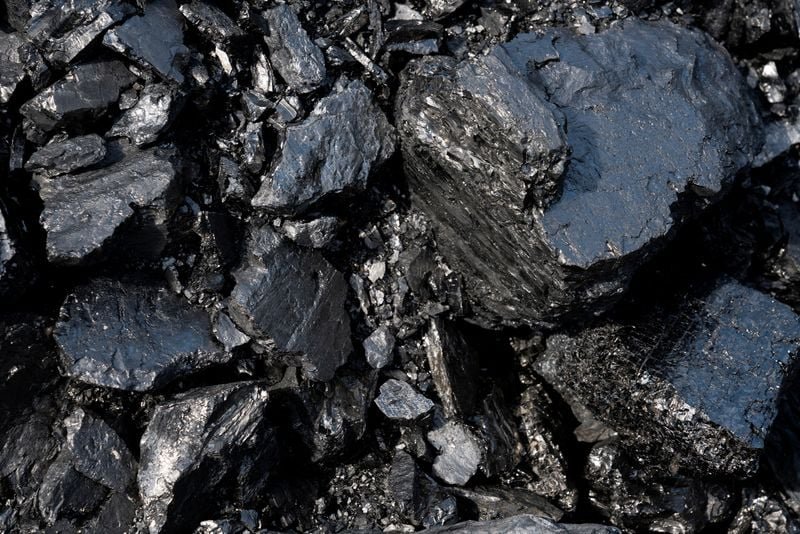
Coal prices climbed towards $150 per tonne in late November, reaching their highest level in three weeks as geopolitical uncertainty in the Middle East and reduced production in China supported the market.
Supply concerns have intensified following the temporary closure of more than 200 Chinese coal mines for safety inspections after a fatal accident in Shanxi province in May. Despite government efforts to maintain stable energy supplies, nearly 50 mines reportedly remained closed this week, restricting production in one of China’s most important coal-producing regions.
At the same time, continued tensions between the United States and Iran have added a geopolitical risk premium to coal prices, with peace negotiations remaining deadlocked.
Coal Market Snapshot
| Market indicator | Latest development |
|---|---|
| Coal price | Approaching $150 per tonne |
| Recent performance | Highest level in three weeks |
| China production | Nearly 50 mines remain closed |
| Initial mine closures | More than 200 mines temporarily shut |
| Main supply concern | Safety inspections in Shanxi province |
| Geopolitical influence | US-Iran tensions and stalled negotiations |
| Long-term demand | IEA expects global consumption to reach a record high this year |
Chinese Mine Closures Tighten Coal Supply Outlook
China’s domestic coal production remains an important factor influencing global market sentiment. More than 200 mines were temporarily closed for safety inspections following a fatal accident in Shanxi province in May.
Although authorities have sought to maintain stable energy supplies, nearly 50 mines were still reportedly closed this week. The continued restrictions have contributed to concerns about production availability, particularly as China remains a major player in global coal supply and consumption.
The longer these closures persist, the greater the potential for tighter domestic availability and increased pressure on coal prices.
Middle East Tensions Add Geopolitical Risk Premium
Geopolitical uncertainty has provided another source of support for coal markets.
Tensions between the United States and Iran remain elevated, with both sides continuing to hold firm positions in peace negotiations. The lack of progress towards an agreement has sustained uncertainty surrounding the wider regional outlook.
Although the available market update does not identify a direct disruption to coal supply, geopolitical tensions can influence broader energy market sentiment and contribute to a higher risk premium across energy commodities.
Global Coal Consumption Expected to Reach Record High
Despite the ongoing transition towards cleaner energy sources, coal demand remains substantial.
The International Energy Agency expects global coal consumption to reach a record high this year, highlighting the continued importance of coal in the global energy mix.
This outlook comes despite the retirement of numerous coal-fired power plants across Europe and North America and ongoing efforts by governments to reduce reliance on fossil fuels.
The combination of continued global consumption and production constraints in China could remain an important factor for coal prices over the longer term.
Bullish Sentiment
- Chinese production restrictions: Nearly 50 mines remain closed following safety inspections, creating potential supply constraints.
- Geopolitical uncertainty: Continued US-Iran tensions are sustaining a risk premium across energy markets.
- Record consumption outlook: The IEA expects global coal consumption to reach a record high this year.
- Three-week price high: Coal’s advance towards $150 per tonne reflects improving price momentum.
Bearish Sentiment
- Government efforts to stabilise supply: Chinese authorities are working to ensure stable energy availability, potentially limiting the impact of mine closures.
- Long-term energy transition: The retirement of coal-fired power plants across Europe and North America reflects continued structural pressure on coal demand.
- Potential geopolitical easing: Progress in US-Iran negotiations could reduce the geopolitical risk premium currently supporting energy prices.
- Production recovery: The reopening of Chinese mines could improve availability and ease supply concerns.
Coal Price Forecast: What Traders Are Watching
The immediate focus will remain on developments in China’s coal production and the status of mines still closed for safety inspections.
Traders will also monitor US-Iran negotiations for any indication that geopolitical tensions could ease. A reduction in regional uncertainty may weaken part of the risk premium currently supporting coal prices.
Beyond the immediate supply and geopolitical factors, the IEA’s demand outlook will remain important in assessing the longer-term balance between global consumption and production.
Market Outlook for the Coming Sessions
Coal prices are approaching $150 per tonne, supported by Chinese production restrictions and persistent geopolitical uncertainty in the Middle East.
The near-term outlook remains sensitive to developments in Shanxi province, particularly whether the remaining closed mines can resume operations. At the same time, stalled US-Iran negotiations continue to provide an additional source of support.
Although the global energy transition presents a longer-term challenge for coal demand, the IEA’s record-consumption forecast highlights the continued importance of the commodity. For now, supply restrictions and geopolitical risks remain the key factors supporting prices as the market approaches the end of November.
Currency Hedger – Global Market Perspective
Currency Hedger provides market insights and international currency services for businesses managing cross-border payments and foreign exchange exposure.
Visit Currency Hedger or open an account.
Disclaimer: This article is provided for informational and educational purposes only. It does not constitute investment advice, financial advice or a recommendation to buy or sell any financial instrument. Financial markets involve risk, and readers should conduct their own research before making investment decisions.

Leave A Comment