

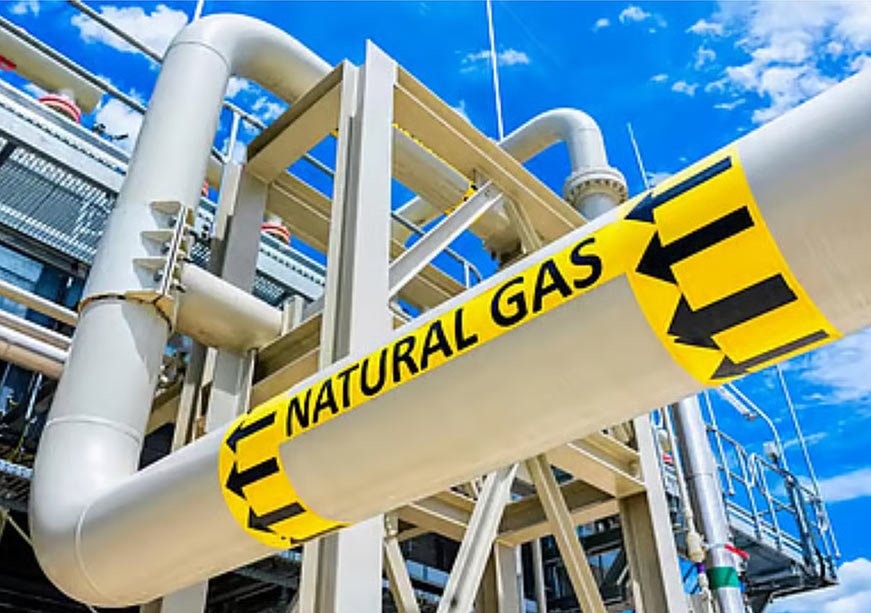
US natural gas prices have fallen more than 4% to $2.51 per MMBtu, reaching their lowest level since October 2024 as warmer-than-normal weather forecasts reduce expectations for near-term heating demand. The decline reflects a combination of subdued consumption expectations and a recovery in domestic production, although strong flows to liquefied natural gas (LNG) export terminals are providing some underlying support.
Meteorologists expect temperatures to remain above seasonal norms across most of the northern two-thirds of the United States. This could delay the seasonal increase in heating consumption, leaving more natural gas available in the domestic market and limiting the need for utilities to draw heavily on inventories.
Production has also recovered, with output across the Lower 48 states averaging approximately 113.3 billion cubic feet per day (bcfd) over the past week. However, the monthly average remains below the record production levels reported in August and September.
Meanwhile, average natural gas flows to the nine major US LNG export terminals have increased to 18.2 bcfd so far in October, up from 17.9 bcfd in September. Strong export-facility demand is helping absorb domestic supply, but the near-term price direction remains heavily influenced by weather and production.
Market Snapshot
| Indicator | Latest Position |
|---|---|
| US natural gas price | $2.51 per MMBtu |
| Latest price movement | Down more than 4% |
| Price context | Lowest since October 2024 |
| Weather outlook | Above-normal temperatures across much of the northern two-thirds of the US |
| Recent Lower 48 production | Around 113.3 bcfd over the past week |
| October production average | 111.6 bcfd so far this month |
| Previous production records | 113.3 bcfd in both August and September |
| LNG export-terminal flows | 18.2 bcfd so far in October |
| September LNG flows | 17.9 bcfd |
Figures are based on the supplied market report and have not been independently verified.
Current Price Action: Natural Gas Falls to $2.51
US natural gas futures have dropped more than 4%, bringing prices to $2.51 per MMBtu and their lowest level since October 2024.
The decline highlights the sensitivity of the US gas market to short-term weather forecasts. During the heating season, colder temperatures typically increase residential and commercial consumption as households and businesses use more gas for heating. When forecasts shift towards milder conditions, expected consumption can fall, reducing the urgency for utilities to replenish supplies.
The latest outlook suggests that heating demand may remain subdued across a large part of the country in the coming weeks. This has placed downward pressure on prices at a time when domestic production is also recovering.
The market is therefore facing two bearish influences: lower expected weather-related consumption and an increase in available domestic supply. Strong LNG exports are providing a counterweight, but current demand has not prevented the latest decline.
Weather Outlook: Warm Conditions Limit Heating Demand
Weather remains the immediate driver of the natural gas market.
Meteorologists expect above-normal temperatures across most of the northern two-thirds of the United States. If these forecasts materialise, heating consumption could remain weaker than normally expected for the time of year.
The impact is important because seasonal heating demand can rapidly change the balance between domestic production and consumption. Colder weather can increase gas use by households, commercial buildings and utilities, while warmer conditions can leave more supply available for storage or other uses.
For traders, the duration and geographical coverage of the warm spell will be crucial. If above-normal temperatures persist, the market may continue to price in weaker heating demand. A shift towards colder forecasts could reverse some of the pressure by increasing expected consumption and the pace of inventory withdrawals.
Weather forecasts can change quickly, making them a key source of short-term volatility in US natural gas futures.
US Production: Output Recovers Towards Record Levels
Domestic production is adding to the bearish pressure on prices.
Natural gas output across the Lower 48 states averaged approximately 113.3 bcfd over the past week. This is above the average of 111.6 bcfd recorded so far in October, indicating a recovery in production compared with the month-to-date figure.
However, the October average remains below the record levels of 113.3 bcfd reported in both August and September, according to the supplied report.
The distinction between recent output and the monthly average is important. A weekly recovery can increase immediate supply pressure even when the broader monthly average remains below previous records.
If production continues to strengthen while heating demand remains weak, the domestic market could face a more comfortable supply balance. That would reduce the need for aggressive inventory withdrawals and potentially keep prices under pressure.
Conversely, a sustained production slowdown could help offset the impact of mild weather, particularly if LNG export demand remains firm.
LNG Exports: Strong Flows Provide a Demand Cushion
US LNG export demand is providing an important source of support for natural gas consumption.
Average flows to the nine major LNG export terminals have risen to 18.2 bcfd so far in October, compared with 17.9 bcfd in September. The increase indicates that export facilities are drawing more gas from the domestic market than in the previous month.
LNG exports connect the US natural gas market with international demand. When export-terminal flows increase, more domestically produced gas is required for liquefaction and shipment, potentially reducing the amount available for US consumers and storage.
This export demand can help cushion the market against weak domestic heating consumption. However, the extent of that support depends on terminal utilisation, operational availability and the strength of international LNG demand.
For now, rising flows are a supportive factor, but they have not been sufficient to prevent prices from falling as warm weather forecasts and recovering production weigh on the market.
Inventory Outlook: Storage Remains a Key Market Variable
The balance between production, consumption, exports and storage injections or withdrawals will be central to the next phase of price discovery.
When domestic consumption falls and production remains high, more gas may be available to enter storage. A comfortable inventory position can reduce concerns about supply adequacy and place pressure on prices.
By contrast, colder weather can increase heating consumption and accelerate withdrawals from storage. If demand rises faster than production and imports can compensate, the market may become more sensitive to supply disruptions or unexpected cold spells.
The supplied report does not include current US storage volumes or the latest weekly inventory change. As a result, it is not possible to establish from these figures alone whether inventories are above or below seasonal norms.
Traders will need to monitor official storage data alongside weather forecasts and production estimates to assess whether the current bearish pressure is likely to persist.
Bullish Sentiment: What Could Support Natural Gas?
- A shift towards colder weather: Colder-than-expected forecasts could lift heating demand and increase expected inventory withdrawals.
- Continued LNG export growth: Higher flows to export terminals would absorb more domestic gas and help offset weak heating consumption.
- Production falling below recent levels: A sustained decline in output could tighten the supply-demand balance.
- Stronger international gas demand: Increased demand for US LNG could support terminal utilisation and domestic feedgas consumption.
- Tighter-than-expected inventories: If official storage data show less gas available than anticipated, prices could recover despite mild weather.
Bearish Sentiment: What Could Weigh on Natural Gas?
- Persistent warm weather: Above-normal temperatures could continue to delay the seasonal increase in heating demand.
- Recovering domestic production: Output near 113.3 bcfd increases the volume of gas available to the market.
- Weaker-than-expected consumption: Mild conditions could reduce residential, commercial and utility demand.
- Comfortable storage levels: If inventories are sufficient relative to seasonal requirements, concerns about supply adequacy may ease.
- Limited upside in LNG flows: If export-terminal demand stops growing, domestic supply may face less competition from overseas demand.
US Natural Gas Price Forecast: What Traders Are Watching
The near-term outlook remains bearish while prices trade around $2.51 per MMBtu and weather forecasts point to above-normal temperatures across much of the northern United States.
If mild conditions persist and production remains elevated, natural gas could remain under pressure as domestic supply outpaces weather-related consumption. Strong LNG export flows may limit the decline, but the market will need sustained demand or a change in weather expectations to establish a stronger recovery.
The outlook could change quickly if forecasts shift towards colder temperatures. An increase in heating demand, combined with a production slowdown or tighter storage data, could improve the market balance and support a rebound.
Traders should focus on daily weather-model revisions, production estimates, LNG feedgas flows and weekly storage data. These indicators will help determine whether the latest decline reflects a temporary weather-driven adjustment or a more persistent period of supply pressure.
The current price of $2.51 is a market reference, but the supplied information does not establish specific technical support or resistance levels.
Supply Outlook
The US supply outlook is shaped by domestic production and the volume of gas required by LNG export terminals.
Recent output of around 113.3 bcfd across the Lower 48 states indicates a recovery from the October month-to-date average of 111.6 bcfd. If production remains near recent levels, the domestic market could retain a substantial supply base even if weather-related consumption increases moderately.
LNG exports provide an additional outlet for US production. October flows of 18.2 bcfd are above September’s 17.9 bcfd, helping absorb some of the available gas.
The key question is whether export demand and seasonal consumption can absorb production if output remains strong. If not, storage injections may increase or inventory withdrawals may slow, potentially reinforcing downward price pressure.
Demand Outlook
Demand is likely to depend on three principal factors:
- Residential and commercial heating: Above-normal temperatures could limit the seasonal increase in gas consumption.
- LNG exports: Higher terminal flows are supporting demand, with October averaging 18.2 bcfd so far.
- Power-sector consumption: Changes in electricity demand and the economics of gas-fired generation can influence domestic gas use, although the supplied report does not quantify this factor.
Weather remains the most immediate variable. A prolonged warm spell would limit heating demand, while a colder outlook could quickly alter consumption expectations.
LNG exports offer a more structural source of demand, but their impact must be considered alongside domestic production and storage conditions.
Market Outlook for the Coming Sessions
US natural gas has fallen more than 4% to $2.51 per MMBtu, reaching its lowest level since October 2024 as warm weather forecasts reduce expectations for heating demand and production recovers.
The immediate outlook remains sensitive to temperatures across the northern two-thirds of the United States. If mild conditions persist, demand may remain subdued while production near recent highs adds to available supply.
Strong LNG export-terminal flows provide a partial offset, with October averaging 18.2 bcfd compared with 17.9 bcfd in September. However, the market will need continued export strength, colder weather or tighter supply conditions to overcome the current bearish influences.
For traders, the most important indicators are updated weather forecasts, daily production estimates, LNG feedgas flows and official storage data. A shift in any of these variables could trigger a sharp repricing in a market where weather expectations can change rapidly.
Currency Hedger View
Natural gas price volatility can affect energy suppliers, industrial consumers, manufacturers and businesses with significant heating or gas-related operating costs. For companies purchasing gas under contracts linked to market prices, a sustained decline may reduce input costs, while a sudden recovery can increase procurement expenses and put pressure on margins.
Businesses involved in international energy transactions may also face foreign-exchange exposure when purchases, sales or financing are denominated in US dollars but their operating costs and revenues are in another currency.
A practical risk review should consider expected consumption, contract pricing, payment dates and the currency used for settlement. Where appropriate, commodity and foreign-exchange risk-management strategies may help businesses improve budget visibility and reduce the impact of adverse market movements, although hedging involves costs and risks.
Review your currency and commodity exposure: Open a Currency Hedger account or visit currencyhedger.com.
Disclaimer: This article is for informational purposes only and does not constitute investment, financial or trading advice. Energy and foreign-exchange markets are volatile, and forecasts may not materialise. Hedging strategies involve costs and risks and should be assessed against a business’s individual circumstances with appropriate professional guidance.

Leave A Comment