Commodity Hedging
Commodity Hedging
Manage commodity price risk before it impacts your margins.
Commodity prices can move rapidly in response to supply, demand, geopolitics, weather, inventories, interest rates and global economic conditions.
Currency Hedger helps businesses understand and manage commodity price exposure using structured hedging strategies designed around their commercial requirements.
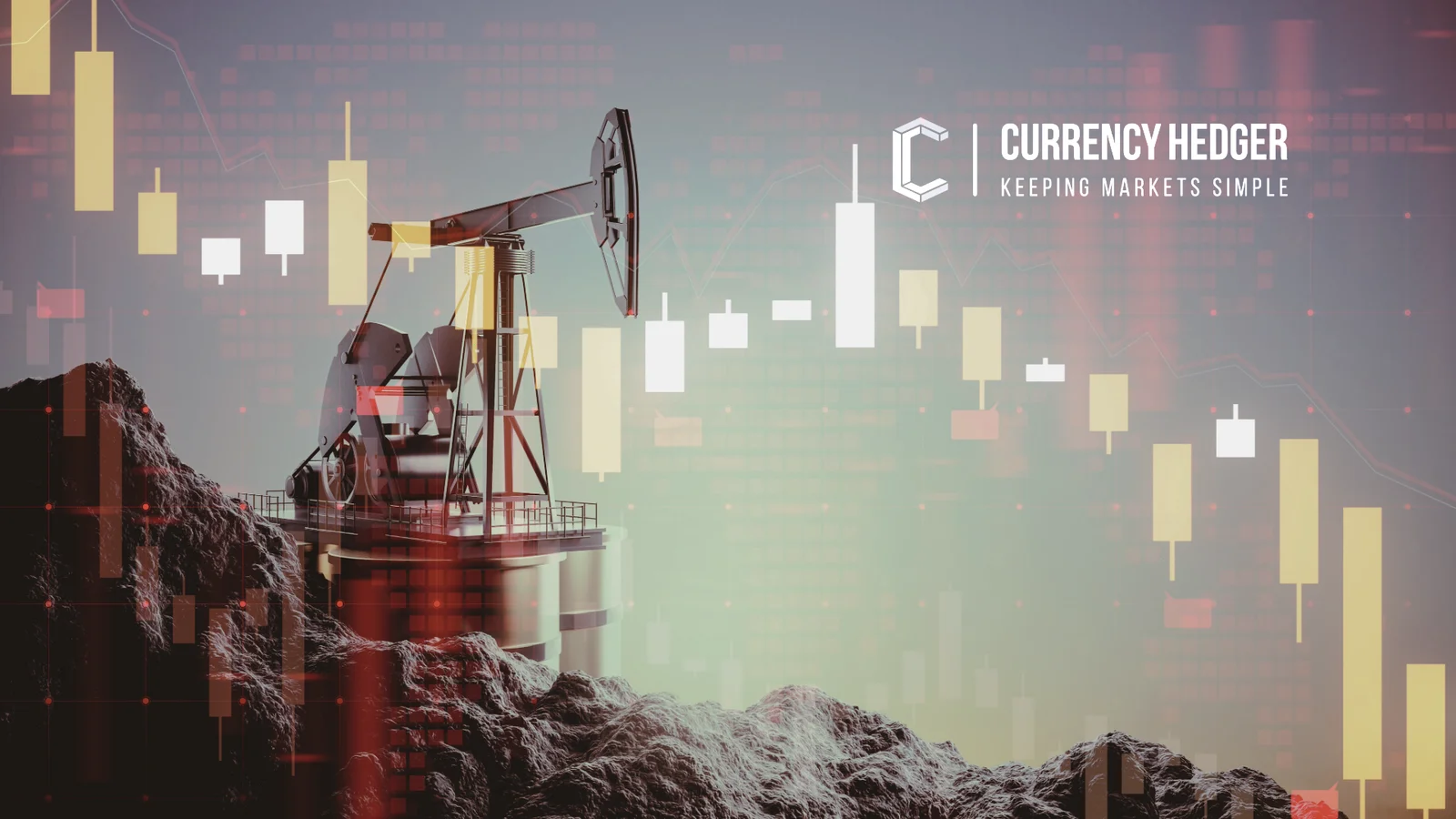
The price you pay or receive today may not be the price tomorrow.
Commodity price risk is the financial exposure created when the price of a raw material, energy product, agricultural commodity or metal changes before a transaction is completed.
For a manufacturer, rising input prices can compress margins. For a producer, falling prices can reduce revenue. For a distributor or trader, price volatility can change the economics of inventory and future transactions.
A structured hedging strategy can help businesses plan around this uncertainty rather than simply accepting the market price when the transaction eventually occurs.
Turn commodity-price uncertainty into something you can plan for.
Hedging is not about predicting whether a commodity will rise or fall. It is about managing the financial consequences of movements that could affect your business.
Protect Margins
Reduce the impact of adverse commodity price movements on your expected gross or operating margin.
Improve Cash-Flow Planning
Greater visibility over future input costs can make budgeting and cash-flow forecasting more predictable.
Protect Purchase Costs
Businesses that depend on raw materials can consider strategies designed to manage future procurement costs.
Protect Sales Revenue
Producers can consider hedging approaches to manage the risk of falling commodity prices before sale.
Support Commercial Planning
A defined hedging strategy can provide greater confidence when pricing contracts, tenders or future orders.
Reduce Market Uncertainty
Hedging can help businesses focus on their underlying commercial activity rather than attempting to time markets.

Commodity markets can move for reasons outside your business.
Commodity markets are influenced by a wide range of external factors. A business may have no control over these events, but it can consider how much exposure it wants to retain.
Commodity hedging can work for both buyers and producers.
Protect Against Rising Costs
Manufacturers, processors, distributors and other commodity users can face significant risk when the price of an essential input rises before purchase.
- ✓ Manage future procurement costs
- ✓ Improve pricing visibility
- ✓ Protect expected margins
- ✓ Support long-term contracts
Protect Against Falling Prices
Producers can face the opposite exposure. A fall in the market price between production and sale can reduce expected revenue.
- ✓ Manage future selling-price exposure
- ✓ Improve revenue visibility
- ✓ Support production planning
- ✓ Protect commercial margins
Commodity exposure spans multiple global markets.
Different commodities have different market drivers, liquidity characteristics and risk profiles.
Oil & Gas
Energy prices can influence transportation, manufacturing, production and operating costs across the global economy.
Copper & Industrial Metals
Industrial metals can be particularly important for manufacturers, construction and technology businesses.
Gold & Silver
Precious metals can create both investment and commercial exposure across international markets.
Soft Commodities
Agricultural markets can be affected by harvests, weather, inventories and global consumption.
Different exposures may require different hedging approaches.
Commodity hedging can involve futures, options and other structured approaches depending on the exposure, timeframe, liquidity and objectives of the business.
The appropriate strategy should always be considered in the context of the underlying commercial exposure rather than viewed as a standalone market position.
Futures
Standardised contracts can be used to offset exposure to future commodity price movements.
Options
Options can provide rights rather than obligations, allowing businesses to structure downside protection.

Commodity risk and currency risk can exist at the same time.
International businesses may face two separate variables: the price of the commodity itself and the exchange rate used to purchase or sell it.
Managing both exposures can provide a more complete view of the financial risk surrounding an international transaction.
Commodity Price
The underlying commodity can rise or fall before your purchase or sale takes place.
FX Rate
The currency used to settle the transaction can also change in value.
Combined Exposure
The two movements can interact and materially change the final cost or revenue.
Risk Strategy
Consider commodity and FX exposure together when planning major international transactions.
From exposure to execution.
Currency Hedger can help you understand the exposure before considering how it should be managed.
Identify
Understand the commodity, quantity, currency and timing behind the transaction.
Assess
Determine how commodity and currency movements could affect your costs, revenue or margins.
Structure
Consider the appropriate hedging instruments and strategy for the underlying exposure.
Manage
Monitor the exposure and adjust the strategy as the underlying commercial requirement changes.
Don't leave your margins exposed to commodity volatility.
Whether you buy, sell, manufacture, process or distribute commodities, understanding your price exposure is the first step towards managing it.
TALK TO AN FX SPECIALISTCommodity hedging involves risks and costs and may not be suitable for every business or transaction. The information provided on this page is for general informational purposes only and does not constitute investment, financial, legal, accounting or tax advice. Hedging strategies should be considered in light of the individual circumstances, objectives and risk tolerance of the business.