AUD/JPY trades with mild gains around 113.60 in Mondayโs early European session.
Market pricing indicates the OCR could reach 4.7% by the end of 2026, with no cuts expected until 2028.
Japanโs officials intervened in the FX market during the holidays in early May.
The AUD/JPY cross posts modest gains near 113.60 during the early European trading hours on Monday. The Australian Dollar (AUD) edges higher against the Japanese Yen (JPY) on a hawkish tone from the Reserve Bank of Australia (RBA). Nonetheless, traders remain cautious of potential further interventions from the Japanese authorities.
The Australian central bank raised its Official Cash Rate (OCR) to 4.35% last week, matching its December 2024 peak, as inflation remains elevated. This marks the third consecutive rate hike this year. According to the statement, the RBA said inflation had picked up materially in the second half of 2025, with conflict in the Middle East pushing up fuel and commodity prices.
The RBA signaled that more rate hikes were on the horizon, with its economic forecasts pencilling in a 4.70% policy rate by the end of 2026, with no cuts expected until 2028, according to CNBC.
However, the potential upside for the cross might be limited amid intervention fears. Japanese officials reportedly intervened in the currency market again during the Golden week.
Markets estimated the cost of these additional moves at approximately ยฅ4 trillion to ยฅ5 trillion ($32 billion). Japanโs top foreign exchange official, Atsushi Mimura, said last week that continued intervention was possible.
The offshore yuan steadied around 6.79 per dollar on Monday, remaining at its strongest level since February 2023, supported by robust trade data ahead of a highly anticipated meeting between Presidents Donald Trump and Xi Jinping. Exports surged 14.1% year-on-year to a record USD 359.44 billion in April 2026, beating expectations and sharply accelerating from March, supported by investment tied to the global AI boom despite shipping disruptions caused by the closure of the Strait of Hormuz.
Imports also jumped 25.3% from a year earlier to a fresh all-time high of USD 274.62 billion, signaling resilient domestic demand. Meanwhile, annual CPI came in above expectations at 1.2% in April, while PPI recorded its second straight month of increases at 2.8%. Investors are now focused on the closely watched TrumpโXi meeting in Beijing later this week, where the two leaders are expected to discuss the Middle East conflict, Taiwan, and a new framework for trade negotiations.
USD/JPY attracts some dip-buyers as Iran tensions and hawkish Fed bets revive the USD demand.
Reviving inflationary concerns act as a tailwind for the US bond yields, also underpinning the USD.
Intervention fears and expectations for a BoJ rate hike in June should help limit deeper JPY losses.
The USD/JPY pair reverses a modest Asian session dip to the 156.50-156.45 area on Monday as the safe-haven US Dollar (USD) draws support from persistent geopolitical uncertainties. Spot prices reclaim the 157.00 mark, though any meaningful upside still seems elusive in the wake of speculations that Japanese authorities might step in to prop up the domestic currency.
US President Donald Trump and Iran both rejected each otherโs peace proposals for ending the war and the gradual reopening of the Strait of Hormuz amid major disagreements over Iran’s nuclear program. In fact, the Wall Street Journal reported that Iran has rejected US demands to dismantle its nuclear facilities and suspend uranium enrichment for 20 years. US President Donald Trump quickly lashed out at the Iranian response, calling it “totally unacceptable.” This comes on top of renewed hostilities in the Strait of Hormuz and keeps geopolitical risks in play, underpinning the USD’s reserve currency status and offering some support to the USD/JPY pair.
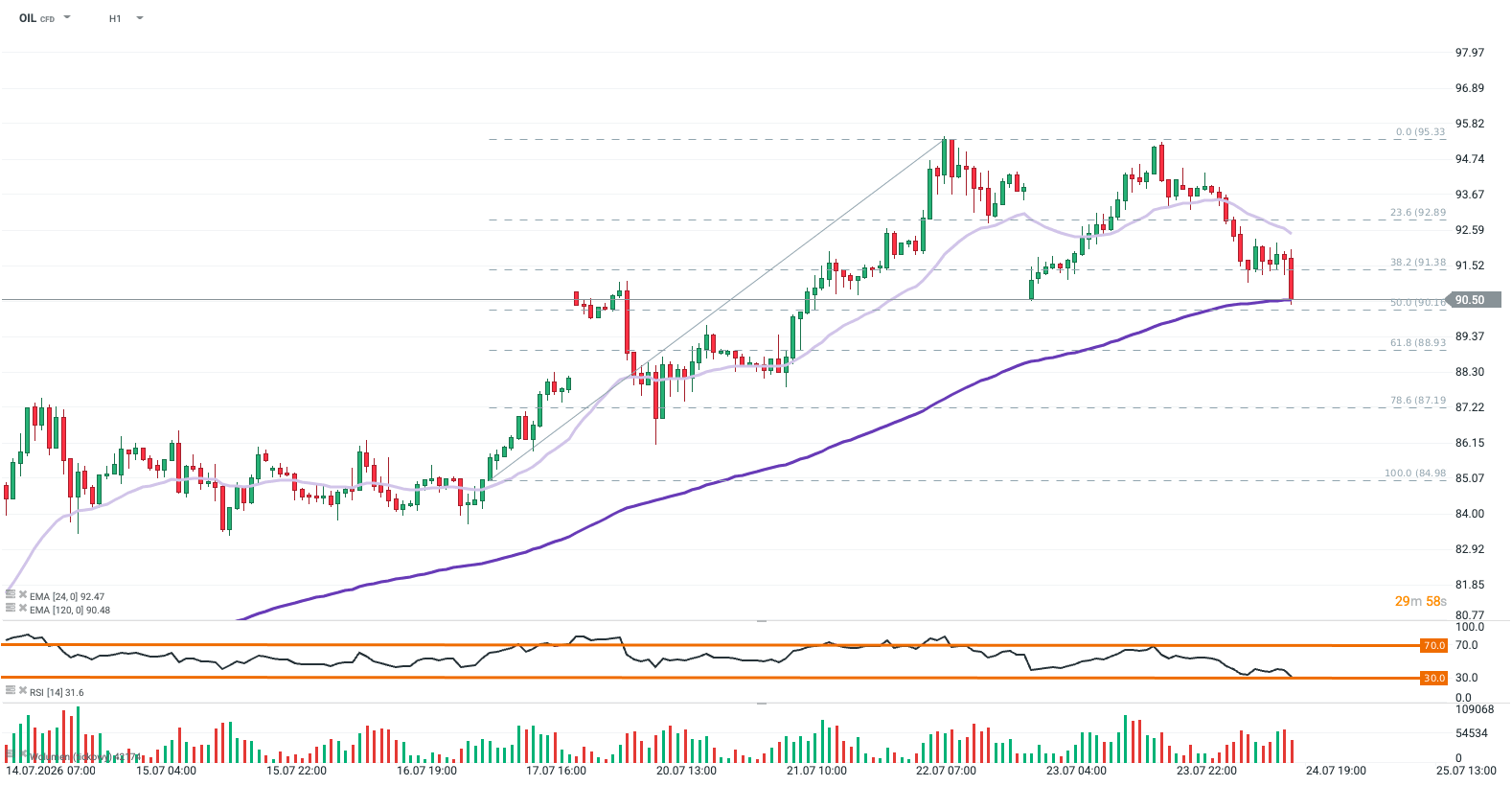
Meanwhile, the US-Iran standoff triggers a fresh leg up in Crude Oil prices and revives inflationary concerns. Apart from this, the upbeat US Nonfarm Payrolls (NFP) report released on Friday reaffirms hawkish US Federal Reserve (Fed) expectations and acts as a tailwind for the US Treasury bond yields. This turns out to be another factor benefiting the USD and contributing to the bid tone surrounding the USD/JPY pair. Meanwhile, reports last week that officials intervened in the FX market during holidays in early May might hold back traders from placing aggressive bearish bets around the Japanese Yen (JPY) and cap further gains for the currency pair.
Moreover, Japan’s top currency diplomat, Atsushi Mimura, had said on Thursday that Japan faces no constraints on how often it can intervene on currency markets and is in daily contact with US authorities. This reinforces that Japan remains committed to stemming speculative JPY moves. Adding to this, the Bank of Japan’s (BoJ) upward revision of inflation forecasts and the 6-3 hawkish vote split lifted bets for a potential rate increase as soon as June. This favors the JPY bulls, warranting caution before positioning for further USD/JPY gains
NZD/USD softens to around 0.5950 in Mondayโs early Asian session.
Chinaโs April CPI and PPI came in hotter than expected as the Iran war drives energy costs higher.
China and the US will hold trade talks later this week.
The NZD/USD pair trades in negative territory near 0.5950 during the early Asian trading hours on Monday. The New Zealand Dollar (NZD) remains weak against the US Dollar (USD) after the release of the Chinese inflation report. The US Existing Home Sales data for April is due later on Monday.
Data released by the National Bureau of Statistics of China on Monday showed that the countryโs Consumer Price Index (CPI) climbed 1.2% in April, compared to a rise of 1.0% in March. This figure came in hotter than the expectations of 0.8%. On a monthly basis, Chinese CPI inflation arrived at 0.3% MoM in April, versus a fall of 0.7% prior, hotter than the expectation of a 0.1% decline.
Furthermore, the Producer Price Index (PPI) jumped 2.8% YoY in April, following a 0.5% increase in March. The data came in above the market consensus of a 1.5% rise. However, the Chinese inflation data have little to no impact on the China-proxy Kiwi.
Chinese President Xi Jinping is set to host US President Donald Trump later this week, as both countries seek to stabilize a relationship strained by tensions over trade, export controls, Taiwan, and the Iran war.
Trump on Sunday dismissed Iran’s response to US proposals to end the war as “totally unacceptable.โ The Tasnim news agency said that Iran’s proposal included an immediate end to the war on all fronts, a halt to a US naval blockade, and guarantees of no further attacks on Iran. Signs of prolonged war in the Middle East could boost the Greenback as a safe-haven currency in the near term.
AUD/USD weakened as the US Dollar strengthened amid rising market risk aversion.
Chinaโs CPI rose 1.2% YoY in April, above Marchโs 1.0% increase and the 0.8% forecast.
US Nonfarm Payrolls rose by 115K in April, beating forecasts despite slowing from Marchโs 185K increase.
AUD/USD gains ground after opening at a bearish gap but still remains in the negative territory, trading around 0.7240 during the Asian hours on Monday. The pair moves little despite stronger-than-expected Chinaโs Consumer Price Index (CPI) data. Any change in the Chinese economy could impact the Australian Dollar (AUD) as China and Australia are close trading partners.
Chinaโs Consumer Price Index (CPI) rose 1.2% YoY in April, accelerating from Marchโs 1.0% increase and beating the 0.8% forecast. CPI inflation arrived at 0.3% MoM in April, versus a fall of 0.7% prior, hotter than the expectation of a 0.1% decline. Producer Price Index (PPI) rose 2.8% YoY in April, following a 0.5% increase in March. The data came in above the market consensus of a 1.5% rise.
The AUD/USD pair came under pressure as the US Dollar (USD) strengthened amid growing risk aversion after US President Donald Trump and Iran dismissed each otherโs latest peace initiatives aimed at ending the Middle East conflict.
According to Bloomberg on Sunday, Trump turned down Iranโs latest peace proposal, describing it as โtotally unacceptable.โ Iranian state television reported that an Iranian official said Tehranโs response emphasized ending the conflict across all fronts, particularly in Lebanon, while also addressing the security of shipping routes through the strait, though no details were provided regarding how or when the key waterway could reopen.
An extended Middle East conflict and the fragile ceasefire between the US and Iran may continue to support safe-haven demand for the Greenback, potentially weighing on the major currency pair in the near term.
The US Bureau of Labor Statistics released data on Friday indicating that Nonfarm Payrolls (NFP) increased by 115K in April, down from Marchโs 185K reading but still exceeding the market forecast of 62K. At the same time, the Unemployment Rate remained unchanged at 4.3% in April, matching analystsโ expectations.
USD/CAD trades with positive bias for the fourth straight day amid a broadly firmer USD.
Iran tensions and hawkish Fed expectations turn out to be key factors supporting the USD.
Rising Crude Oil prices could underpin the Loonie and cap further upside for spot prices.
The USD/CAD pair attracts some dip-buying following Friday’s late pullback from the vicinity of the 100-day Simple Moving Average (SMA) and climbs back closer to the 1.3700 during the Asian session on Monday. This marks the fourth straight day of a positive move โ also the sixth in the previous seven โ and is sponsored by a modest US Dollar (USD) strength.
The recent optimism over a potential US-Iran peace deal and the de-escalation of conflict faded rather quickly in the wake of renewed hostilities in the Strait of Hormuz. Adding to this, US President Donald Trump and Iran both rejected each otherโs peace proposals for ending the war and the gradual reopening of the Strait of Hormuz amid major disagreements over Iran’s nuclear program. This keeps geopolitical risks in play and benefits the safe-haven USD, offering some support to the USD/CAD pair.
Meanwhile, persistent geopolitical uncertainties trigger a fresh leg up in Crude Oil prices, reviving inflationary fears. Adding to this, the upbeat US Nonfarm Payrolls (NFP) report, released on Friday, fuelled expectations for a more hawkish US Federal Reserve (Fed) and turned out to be another factor underpinning the Greenback. The Canadian Dollar (CAD), on the other hand, is weighed down by the disappointing monthly employment details, which showed that the Unemployment Rate rose to 6.9% in April.
That said, rising Crude Oil prices might hold back traders from placing aggressive bearish bets around the commodity-linked Loonie and cap any further upside for the USD/CAD pair. Even from a technical perspective, Friday’s failure ahead of the 100-day SMA makes it prudent to wait for a sustained strength above the said barrier before positioning for any further gains. In the absence of any relevant market-moving economic data, spot prices remain at the mercy of USD/Oil price dynamics.
The USD/CHF pair rises to near 0.7785 as the US dismisses Iranโs response to its peace proposal.
Iran wants the recognition of its authority near the Strait of Hormuz and compensation for war damages.
Investors await US President Trumpโs visit to China from May 13 to May 15.
The USD/CHF pair holds opening gains around 0.7785 during the Asian trading session on Monday. The Swiss Franc pair reflects strength as the US Dollar (USD) outperforms its peers amid the return of the risk-off impulse due to diminished hopes of an immediate breakthrough in negotiations between the United States (US) and Iran.
US Dollar Price Today
The table below shows the percentage change of US Dollar (USD) against listed major currencies today. US Dollar was the strongest against the New Zealand Dollar.
USD
EUR
GBP
JPY
CAD
AUD
NZD
CHF
USD
0.24%
0.31%
0.31%
0.08%
0.21%
0.34%
0.30%
EUR
-0.24%
0.08%
0.04%
-0.19%
-0.02%
0.11%
0.06%
GBP
-0.31%
-0.08%
0.00%
-0.26%
-0.09%
0.02%
-0.02%
JPY
-0.31%
-0.04%
0.00%
-0.24%
-0.06%
0.05%
-0.01%
CAD
-0.08%
0.19%
0.26%
0.24%
0.17%
0.24%
0.23%
AUD
-0.21%
0.02%
0.09%
0.06%
-0.17%
0.11%
0.07%
NZD
-0.34%
-0.11%
-0.02%
-0.05%
-0.24%
-0.11%
-0.03%
CHF
-0.30%
-0.06%
0.02%
0.00%
-0.23%
-0.07%
0.03%
The heat map shows percentage changes of major currencies against each other. The base currency is picked from the left column, while the quote currency is picked from the top row. For example, if you pick the US Dollar from the left column and move along the horizontal line to the Japanese Yen, the percentage change displayed in the box will represent USD (base)/JPY (quote).
During the press time, the US Dollar Index (DXY), which tracks the Greenbackโs value against six major currencies, trades 0.25% higher to near 98.10. S&P 500 futures are down 0.15% to 7,390, indicating a cautious market mood.
Over the weekend, US President Donald Trump said in a social media post that Iranโs response to the US peace proposal is โtotally unacceptableโ. According to Iranian state media, Iran’s proposal stresses US compensation for war damages, the recognition of Tehranโs authority on the Strait of Hormuz, a vital passage to almost 20% of global energy supply, CNN reported. Iranโs proposal also demands the release of frozen Iranian assets as well as the lifting of sanctions.
Dashed hopes of a permanent truce between the US and Iran in the near term have lifted global oil prices, prompting fears, combined with strong Nonfarm Payrolls (NFP) data for April, that the Federal Reserve (Fed) could raise interest rates this year.
Meanwhile, investors shift their focus to the US President Trumpโs visit to China on May 13-15, in which market experts believe Trump to urge Beijing to leverage its influence over Iran for a comprehensive ceasefire and a resolution to the energy disruption amid the Hormuz closure, according to analysts at IG markets.
The US dollar is weakening ahead of the report’s release.
The market is pricing in no change to US interest rates through the end of the year.
A weak reading could boost expectations for rate cuts.
USD remains under pressure despite this morning’s headlines, which cast doubt on the sustainability of the ceasefire between the US and Iran. The April NFP report on the US labour market is due to be released at 14:30, and will serve as a significant test for the dollar, which has been losing ground in recent days. The US currency remains under pressure despite this morningโs headlines, which cast doubt on the sustainability of the US-Iran ceasefire.
Latest reading March saw a particularly strong reading. The number of non-farm payrolls far exceeded even the most optimistic expectations, reaching its highest level since December 2024 (178k). In contrast, the unemployment rate (4.3%) and wage growth (3.5%) fell unexpectedly. The reading signalled that the Fed is not forced to cut interest rates hastily, which, given the rapid rise in energy prices, was exceptionally valuable.
Geopolitical context The situation on the geopolitical front remains tense. A glimmer of optimism came from Wednesdayโs reports by Axios regarding work on a peace memorandum. Yesterday evening, however, the press was abuzz with speculation about a resumption of military action should a lasting agreement between the US and Iran not be reached before Trumpโs visit to China. This is scheduled for 14โ15 May.
Monetary policy
The data is of fundamental importance to the Federal Reserve, which has a dual mandate requiring it to focus on both price stability and maximising employment. The markets are undecided as to the direction the FOMC will take in the coming months. The inflation situation is causing growing concern, which led to a significant split within the committee at its last meeting โ as many as three of its members opposed the so-called โeasing biasโ, i.e. the preference for lower interest rates in the medium term. The April inflation reading, due next Tuesday, is expected to show the headline measure rising to 3.7%. However, policymakers will focus primarily on the core measure, wage growth and inflation expectations, as they are unable to exert much influence over inflation driven by supply-side factors, such as rising energy prices. Markets are currently pricing in no change to interest rates until the end of 2026.
A weak reading, suggesting that the labour market situation is deteriorating, moving away from the still relatively safe low fire-low hire status, may signal that the economy will need a monetary stimulus. This is, in any case, consistent with the rather dovish rhetoric presented by Kevin Warsh, who will take the helm of the FOMC from its next meeting. A strong reading could, in turn, help the Committee to focus almost all its attention on the inflation situation, swelling the ranks of the hawks, which already appear to be numerous following the last meeting.
Current data
The most recent data โ weekly jobless claims โ are particularly noteworthy; a week ago they fell to 189k, the lowest level since 1969, remaining at low levels this week (200k). The ADP data also showed healthy levels (although since the pandemic, their correlation with the NFPs has been significantly weaker). Chart: NFP and ADP data (2015 – 2026)
To provide the best experiences, we use technologies like cookies to store and/or access device information. Consenting to these technologies will allow us to process data such as browsing behavior or unique IDs on this site. Not consenting or withdrawing consent, may adversely affect certain features and functions.
Functional
Always active
The technical storage or access is strictly necessary for the legitimate purpose of enabling the use of a specific service explicitly requested by the subscriber or user, or for the sole purpose of carrying out the transmission of a communication over an electronic communications network.
Preferences
The technical storage or access is necessary for the legitimate purpose of storing preferences that are not requested by the subscriber or user.
Statistics
The technical storage or access that is used exclusively for statistical purposes.The technical storage or access that is used exclusively for anonymous statistical purposes. Without a subpoena, voluntary compliance on the part of your Internet Service Provider, or additional records from a third party, information stored or retrieved for this purpose alone cannot usually be used to identify you.
Marketing
The technical storage or access is required to create user profiles to send advertising, or to track the user on a website or across several websites for similar marketing purposes.